
Understanding the psychological triggers in gambling behavior
Understanding the psychological triggers in gambling behavior
Understanding the psychological triggers in gambling behavior
The Nature of Gambling Addiction
Gambling addiction is a complex psychological issue that affects millions of people worldwide. It is characterized by a compulsive urge to gamble, often despite negative consequences. This addiction can lead to severe financial, emotional, and social repercussions. Understanding the underlying triggers can help individuals recognize the early signs of problem gambling and seek help. The thrill of risk, the chance to win big, and the social aspect of gambling can create a powerful allure that entraps many. For a premier online gaming platform, Ludios Casino offers an exciting array of options for Australian players.
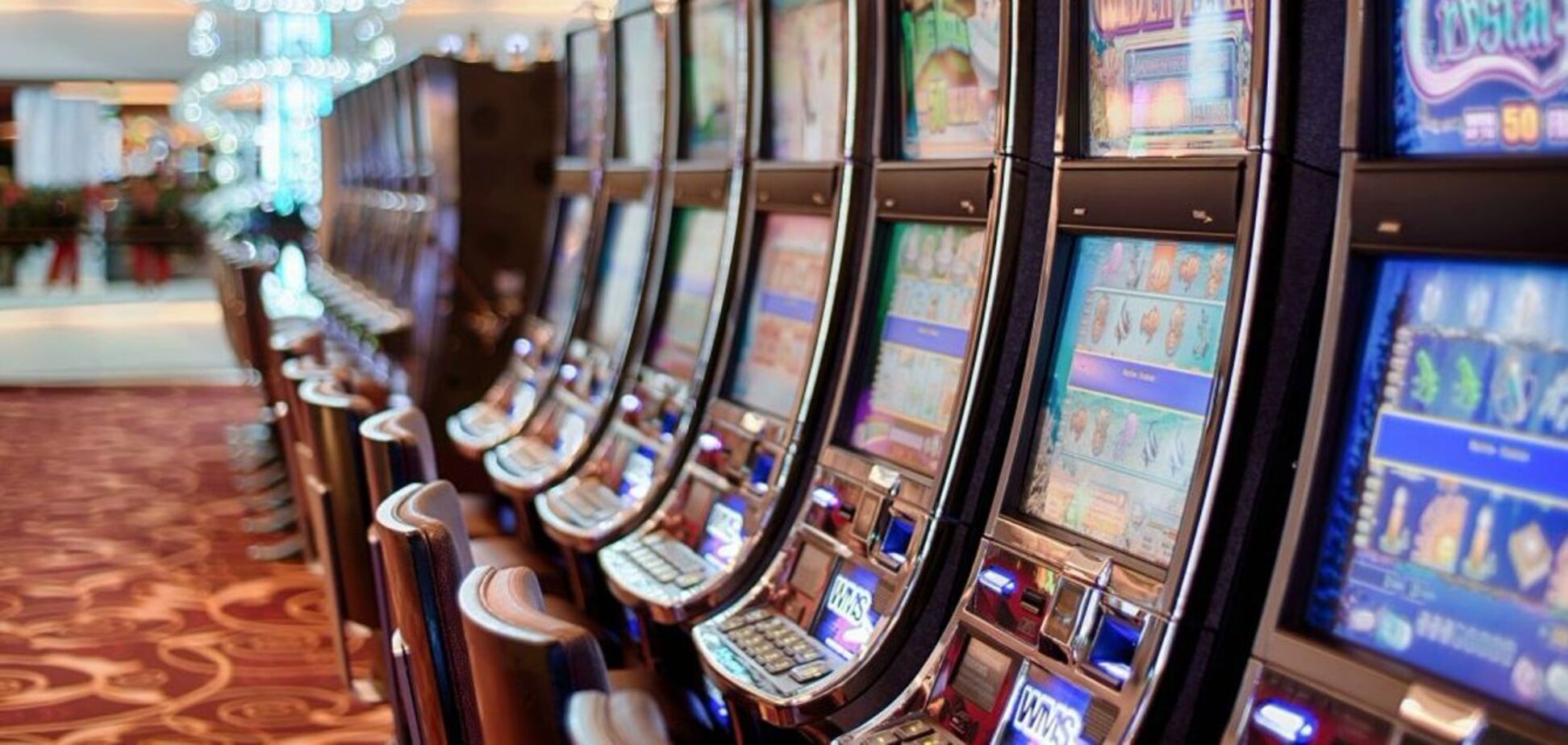
One significant psychological trigger is the “near-miss” effect, where players experience a loss that feels almost like a win. This phenomenon reinforces the behavior, making gamblers believe that they are close to achieving success, thus prompting them to continue gambling in hopes of eventually hitting the jackpot. Additionally, cognitive biases, such as overestimating one’s ability to predict outcomes or misunderstandings of odds, can lead to irrational betting behavior.
Another aspect of gambling addiction is the role of emotional states. Many gamblers use gambling as a coping mechanism for stress, anxiety, or depression. This connection between emotional states and gambling can create a vicious cycle where individuals gamble to escape their problems but ultimately worsen their emotional and financial conditions. Understanding these factors can be a crucial step in addressing gambling-related issues.
Psychological Triggers of Gambling Behavior
The psychology behind gambling behavior is multifaceted, incorporating a mix of cognitive, emotional, and social factors. Cognitive distortions play a vital role, where individuals may mistakenly believe they possess skills that can influence the outcome of games, especially in games of chance. This cognitive bias can lead to a false sense of control, pushing gamblers to place more bets in the hopes of winning big. Understanding these cognitive triggers can be beneficial in formulating strategies to combat gambling addiction.
Another significant psychological trigger is the influence of peer pressure and social dynamics. Gambling is often a social activity, and individuals may feel compelled to participate due to the expectations of friends or family members. This social reinforcement can lead to a normalization of gambling behavior, making it difficult for individuals to recognize when their habits may be becoming problematic. The community aspect of gambling can serve as both a trigger and a support system, complicating efforts to reduce harmful behaviors.
Moreover, the excitement associated with gambling can stimulate the brain’s reward system, similar to the effects of addictive substances. The thrill of placing a bet and the rush of potentially winning can release dopamine, a neurotransmitter linked to pleasure and reward. This biological response can make gambling more alluring and create a cycle of chasing that high, further entrenching individuals in their gambling habits. Understanding this psychological interplay is essential for individuals looking to control their gambling behavior.
The Role of Marketing and Environment
Marketing strategies in the gambling industry are designed to appeal to psychological triggers, often emphasizing excitement, rewards, and social interaction. Advertisements may depict gambling as a glamorous and thrilling lifestyle, encouraging individuals to engage with various forms of betting. These marketing tactics can influence perceptions and attitudes toward gambling, making it seem more accessible and appealing than it may actually be. This highlights the importance of being aware of how marketing can manipulate emotions and encourage unhealthy gambling practices.
The environment in which gambling occurs also plays a significant role in shaping behavior. Casinos and online gaming platforms are designed to create an immersive experience that fosters excitement and engagement. Elements such as bright lights, loud sounds, and the scent of free drinks can all contribute to a thrilling atmosphere that encourages people to gamble longer and more frequently. Understanding how environmental factors influence decision-making can aid individuals in recognizing when they are more susceptible to gambling.
Additionally, the rise of technology has transformed the gambling landscape, making it easier to access games and place bets. Online platforms provide convenience and instant gratification, further fueling impulsive behavior. Mobile apps allow users to gamble anytime and anywhere, making it difficult to resist the urge to play. Acknowledging these influences can empower individuals to establish boundaries and make informed choices regarding their gambling habits.
Strategies for Managing Gambling Behavior
Recognizing the psychological triggers in gambling behavior is the first step towards effective management and recovery. One effective strategy is to develop self-awareness regarding one’s emotional triggers and thought patterns. Keeping a journal to document feelings before and after gambling can help individuals identify situations that lead to problematic behavior. This self-reflection can provide insight and enable individuals to make more informed choices when tempted to gamble.
Setting strict limits on time and money spent on gambling can also be a beneficial approach. Establishing a budget and adhering to it can help individuals maintain control over their gambling activities. Additionally, seeking support from friends, family, or professional organizations can provide accountability and encouragement. Engaging in activities unrelated to gambling can help divert attention and reduce urges to gamble, promoting healthier coping mechanisms.
Moreover, educational programs that focus on the risks and realities of gambling can equip individuals with the knowledge necessary to make informed decisions. These programs can help demystify the odds and illuminate the impact of gambling addiction. As awareness grows, individuals can learn to recognize their triggers and develop more sustainable habits. Understanding the complexities of psychological triggers in gambling behavior is a vital step toward fostering a healthier relationship with gambling.

Ludios Casino and Responsible Gambling
Ludios Casino is committed to providing an enjoyable gaming experience while promoting responsible gambling practices. With over 10,000 games and a user-friendly platform, Ludios Casino understands the importance of ensuring a safe and engaging environment for players. The casino offers resources and tools designed to help individuals maintain control over their gambling behaviors, including self-exclusion options and budget-setting features.
In addition to providing a wide range of gaming options, Ludios Casino emphasizes the importance of responsible gambling education. The platform offers informative materials aimed at helping players understand the psychological triggers associated with gambling. By fostering a culture of awareness and responsibility, Ludios Casino seeks to empower players to make informed choices and enjoy their gaming experiences without falling into the traps of addiction.
Whether you are a casual player or a seasoned gambler, Ludios Casino encourages a balanced approach to gaming. With 24/7 customer support and a robust VIP program, players can find enjoyment while prioritizing their well-being. Understanding the psychological aspects of gambling is essential, and Ludios Casino is dedicated to ensuring that players can navigate their gaming experiences responsibly and safely.
